
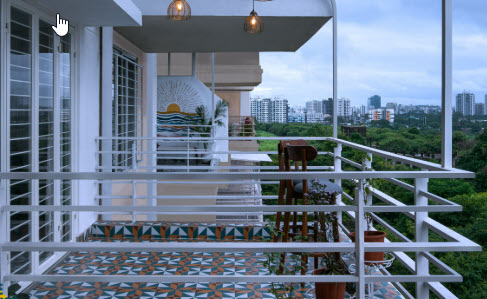
Balcony Inspections in Tarpon Springs, Florida
EMA Structural Forensic Engineers performs licensed balcony inspections for hotels, motels, condominiums, and multi-family residential buildings in Tarpon Springs and Pinellas County. Our Professional Engineers evaluate balcony decking, railings, stairways, and load-bearing connections in accordance with Florida Statute 509.2112 and DBPR HR-7020 certification requirements.
Regulatory Requirement
Florida Statute 509.2112 and Rule 61C-3.001(5) require public lodging establishments three stories or taller to have balconies, platforms, stairways, and railings inspected every three years by a qualified, licensed professional. Following inspection, a signed and sealed DBPR HR-7020 Certificate of Balcony Inspection must be filed with the Division of Hotels and Restaurants and the applicable local building authority. An engineer or architect must personally conduct the inspection; a licensed professional’s seal cannot be applied to work performed by an unqualified inspector.
Scope of Inspection
- Balconies and Platforms: Evaluation for wear, corrosion, and structural damage.
- Railings and Guardrails: Verification of stability and code compliance.
- Stairways and Landings: Assessment of connection integrity and load-bearing capacity.
- Parapets and Balustrades: Inspection for cracking and material deterioration.
- Screened Enclosures and Attached Non-Structural Elements: Review for safety hazards.
Inspection Process
EMA’s balcony inspection protocol follows a defined sequence to ensure defensible, code-compliant documentation:
- Physical Evaluation: A licensed engineer examines decking, fasteners, corrosion points, and visible structural defects across all publicly accessible elevated structures.
- Water Intrusion Assessment: Areas of suspected moisture infiltration are identified and documented, as water intrusion is a leading cause of structural degradation in coastal balcony systems.
- DBPR HR-7020 Certification: Findings are documented on the official DBPR HR-7020 Certificate of Balcony Inspection, signed and sealed by the inspecting engineer.
- Filing: The completed certificate is submitted to the Division of Hotels and Restaurants and the relevant county or municipal building authority.
Consequences of Non-Compliance
Failure to complete required balcony inspections exposes property owners and condominium associations to administrative penalties, including fines and potential closure orders for unsafe areas. Non-compliance also creates legal exposure through negligence claims if an inspection lapse contributes to an injury, and may result in denied insurance coverage where documented compliance is a policy condition. Delaying inspections additionally increases the likelihood that minor deficiencies progress into major structural repairs.
Property Types Served
- Hotels, motels, and short-term rental properties
- Condominium and multi-family residential buildings
- Resort and hospitality properties
- Apartment complexes with public lodging status
Service Area
EMA Structural Forensic Engineers provides balcony inspections throughout Tarpon Springs, Pinellas County, and the greater Tampa Bay region. Call (321) 355-6052 to schedule an inspection or request DBPR HR-7020 certification.
Frequently Asked Questions
Who is required to obtain a balcony inspection under Florida law?
Public lodging establishments three stories or taller, including hotels, motels, condominiums, and short-term rentals, must have balconies, platforms, stairways, and railings inspected under Florida Statute 509.2112.
How often must balcony inspections be performed?
Inspections are required at least once every three years, with findings documented on the DBPR HR-7020 Certificate of Balcony Inspection.
Who is qualified to perform a balcony inspection?
Inspections must be performed personally by a licensed engineer or architect with documented competency and experience. A license seal cannot be applied to an inspection conducted by an unqualified individual.
What structural elements are evaluated during a balcony inspection?
Inspections cover balcony decking, railings, guardrails, stairways, landings, parapets, balustrades, and attached non-structural elements such as screened enclosures.
What form is used to certify a completed balcony inspection?
Findings are documented on the DBPR HR-7020 Certificate of Balcony Inspection, which must be signed and sealed by the inspecting engineer or architect.
What penalties apply for failing to complete a required balcony inspection?
Non-compliance can result in administrative fines, forced closure of unsafe areas, denied insurance coverage, and increased legal exposure in the event of an injury claim.
Where must the completed inspection certificate be filed?
The signed DBPR HR-7020 certificate must be submitted to the Division of Hotels and Restaurants and the applicable county or municipal building and zoning authority.
Does water intrusion factor into balcony inspection findings?
Yes. Water intrusion is a leading cause of structural deterioration in coastal balcony systems and is specifically documented during the physical evaluation phase of inspection.
Related Services by EMA Structural Engineers
- Milestone Inspections Florida
- Structural Engineering Services
- Forensic Engineering Services
- Balcony Inspections Florida
- Hurricane Damage Inspections
- Structural Engineers Tampa
- Structural Engineers Daytona
- Structural Engineers Melbourne
- Clearwater Structural Engineers
- Building Structural Inspections
- Bridge Inspection Services Florida
- Condo Milestone Inspections Jacksonville
- Central Florida Milestone Inspections
- Balcony Inspections Orlando
- Balcony Inspections Daytona
- Forensic Engineers Orlando
- Structural Forensic Engineers
- Building Engineers Florida
- Daytona Beach Structural Engineers
- Submit Assignment / Request a Quote