
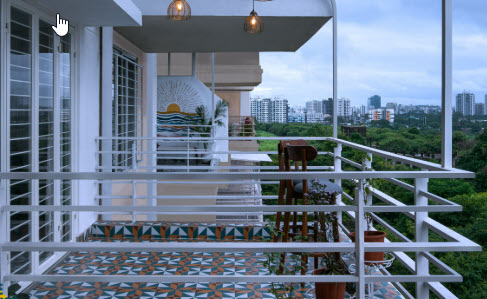
Hotel Balcony Inspections in Florida | DBPR HR-7020
EMA Structural Forensic Engineers performs licensed hotel balcony inspections throughout Florida in accordance with Florida Statute 509.2112 and Rule 61C-3.001(5)(a) of the Florida Administrative Code. Public lodging establishments three stories or taller are required to have balconies, platforms, stairways, and railings inspected and certified through the DBPR HR-7020 process.
Scope of Inspection
- Platforms: Elevated walking surfaces, landings, and corridors.
- Stairways: Vertical access paths between building levels.
- Railings and Guardrails: Structural barriers designed to prevent falls.
- Balustrades and Parapets: Support systems for handrails and low protective walls.
- Enclosed Areas: Spaces enclosed by screening or non-permanent materials.
Requirements and Filing Frequency
Inspections and the corresponding DBPR HR-7020 certification must be completed and filed every three years. Property operators submit the Certificate of Balcony Inspection to the Division of Hotels and Restaurants or the local Authority Having Jurisdiction. The property owner or manager is responsible for verifying that the inspector possesses the education and experience required to perform a competent inspection; licensed structural engineers and special inspectors are recommended given their expertise in structural behavior and material deterioration. This requirement applies to hotels, condominium associations, multifamily apartment complexes, and any public lodging property meeting the three-story threshold.
Maintenance and Liability Considerations
Regular inspections identify corrosion, cracking, delamination, and loose connections, particularly in Florida’s salt-heavy coastal environment. Documentation through the DBPR HR-7020 form serves as a record of maintenance diligence, which supports insurance reviews and reduces legal liability exposure in the event of a structural failure or guest injury.
Compliance Steps
- Confirm the property meets the height (three or more stories) and public lodging usage criteria.
- Verify the correct filing destination, whether the State Division or the local Authority Having Jurisdiction.
- Schedule an inspection with a qualified professional before the current certificate expires.
- Review the inspection report and address any identified structural deficiencies.
- File the completed certificate and retain records for the three-year renewal cycle.
Engineering Standards Applied
EMA Structural Forensic Engineers combines Florida Building Code 2023 compliance and ASCE 7-22 standards to produce professional, legally defensible balcony inspection reports accepted by regulatory authorities, insurers, and property management stakeholders throughout Florida.
Service Area
EMA Structural Forensic Engineers provides hotel balcony inspections statewide across Florida. Call (321) 355-6052 or email info@emaengineers.com to schedule an inspection.
Frequently Asked Questions
Which properties are required to complete DBPR HR-7020 balcony inspections?
Hotels, condominium associations, multifamily apartment complexes, and any public lodging establishment three stories or taller must complete DBPR HR-7020 balcony inspections.
How often must the DBPR HR-7020 certification be renewed?
The inspection and certification must be completed and filed every three years to remain compliant with Florida Statute 509.2112.
Who is qualified to perform a hotel balcony inspection?
Licensed structural engineers and qualified special inspectors with documented education and experience in structural behavior and material deterioration are recommended to perform these inspections.
Where is the completed inspection certificate filed?
The Certificate of Balcony Inspection is filed with the Division of Hotels and Restaurants or the local Authority Having Jurisdiction, depending on the property’s location and classification.
What structural deficiencies are commonly identified during inspections?
Common deficiencies include corrosion, cracking, delamination, and loose structural connections, particularly in properties located in Florida’s coastal, salt-exposed environments.
Why does documentation matter beyond regulatory compliance?
Documented inspection records support insurance policy reviews and reduce legal liability exposure in the event of a structural failure or guest injury claim.
What engineering standards apply to balcony inspection reports?
EMA’s reports are prepared in accordance with Florida Building Code 2023 provisions and ASCE 7-22 structural standards.
What happens if a hotel’s HR-7020 certificate expires without renewal?
An expired certificate leaves the property out of compliance, which can result in administrative penalties, insurance complications, and increased liability exposure until a new inspection is completed and filed.
Related Services by EMA Structural Engineers
- Milestone Inspections Florida
- Structural Engineering Services
- Forensic Engineering Services
- Balcony Inspections Florida
- Hurricane Damage Inspections
- Structural Engineers Tampa
- Structural Engineers Daytona
- Structural Engineers Melbourne
- Clearwater Structural Engineers
- Building Structural Inspections
- Bridge Inspection Services Florida
- Condo Milestone Inspections Jacksonville
- Central Florida Milestone Inspections
- Balcony Inspections Orlando
- Balcony Inspections Daytona
- Forensic Engineers Orlando
- Structural Forensic Engineers
- Building Engineers Florida
- Daytona Beach Structural Engineers
- Submit Assignment / Request a Quote