

Roof InspectionsWhat is a Roof Inspection? 🏠 Roof Inspections – FloridaFlorida Roof Inspections by Certified Engineers & InspectorsNeed roof inspections you can trust? Our Florida-based engineers and certified inspectors deliver accurate, fast, and fully documented roof inspections for: Condos & HOAs roof inspections Residential Homes roof inspections Commercial Buildings roof inspections Insurance & Real Estate Transactions Storm, Hurricane & Hail Damage Claims roof inspections We help property owners protect their roofs and meet legal, insurance, and structural requirements. What’s Included in Our Roof Inspection ServicesExterior & Interior Roof EvaluationWe assess shingles, tiles, membrane systems, flashing, gutters, vents, and interior ceilings for signs of leaks or water intrusion. Storm Damage & Leak DetectionAfter hurricanes or severe weather, we evaluate for hail damage, wind uplift, debris impact, and moisture infiltration. Structural Integrity AnalysisLicensed engineers assess trusses, decking, framing, and load-bearing capacity to ensure safety and compliance. Insurance-Compliant ReportsWe deliver detailed reports with photos and stamped findings for insurers, real estate closings, and legal purposes. Why Get Roof Inspections in Florida?🌪️ After a Storm or Hurricane 🏠 Before Buying or Selling a Property 🧰 For Annual Preventive Maintenance 💸 To Support an Insurance Claim 🏢 To Comply with HOA or Condo Regulations 🛠️ Early detection saves thousands in future repair or replacement costs. Who We ServeCondominium Boards & HOA Communities Real Estate Agents & Homebuyers Commercial Property Owners Insurance Adjusters & Claims Experts Individual Homeowners in Need of Certification 📍 Serving the Entire State of Florida: Orlando, Tampa, Fort Lauderdale, Miami, Daytona, Naples & beyond. Types of Roofs We InspectAsphalt Shingle Roofs Tile Roofs Flat Roofs & TPO Metal Roofs Modified Bitumen Wood Shake & Slate
📣 Book a Roof Inspection Today🏠 Protect your roof and your investment. 📞 Call Now: (321) 355-6052 Milestone Inspections Florida 🌐 External Authority Links📋 FAQQ: How often should I get a roof inspection in Florida? Q: What’s the cost of roof inspections in Florida? Q: Are your roof inspectors licensed engineers? Q: Can you inspect flat commercial roofs? Florida Roof Inspections | Engineer-Certified Reports
|
||
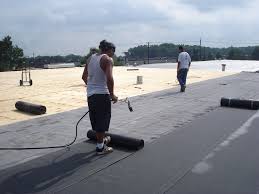
Roof Inspection Reports, delineating starting material and installation compliance, and documents any unforeseen contingent items in the contract. Non-compliance issues are immediately addressed with the roofing contractor, design professional, or building owner to ensure proper installation of the specified roofing assembly.The roof and roofing system are checked as part of a Professional Engineer’s roof inspection. The roof keeps rain and other weather elements from the home or building. The Professional Engineer evaluates the general condition of the roof during roof inspection and estimates the remaining life of the top. Evidence of past or present roof leakage is also assessed. The engineering report includes an expense analysis of upcoming roof repair or replacement costs. Most roofs are made of either asphalt, cedar, slate, or clay tile. If a building has a pitched roof, the roof can be viewed from the site. (It is not advisable to climb onto this type of roof during inspections to check it. Climbing on the roof can damage roof shingles, especially older shingles. A leakage problem can be created simply by walking on a pitched roof surface.)
Roof Inspections by Licensed P.EWhen the Professional Engineer finds that a roof leaks, needs repairs, or will soon need replacement, roof inspections are required to analyze the necessary maintenance and replacement. This helps you plan for any upcoming roof replacement. If the building has a pitched roof and an accessible attic, the Professional Engineer looks for evidence of roof leakage or damage to the sheathing. The Professional Engineer also looks for problems in the attic, such as the amount of insulation present, water damage, and insufficient attic ventilation. Some roof inspections advocate walking on pitched asphalt, slate, and terracotta tile roofs. Some Inspectors lift asphalt roof shingles to determine how they were installed. This damages the roof. The slats, cedar shingles, or terracotta tiles suffer damage that can cause analysis leakage. cause Asphalt roof shingles are self-sealing. Lifting an asphalt roof shingle damages the seal. Roofing manufacturers will void a roof warranty if they determine that roof inspection damage was caused by such an inspection on the roof. Our Professional Engineers determine the condition of the roof by visual examination. If a Home Inspector needs to walk on the top or lift the shingles, you should ask: Why can’t this Home Inspector determine the roof’s condition visually? Can’t this Home Inspector see that the roof shingles are old? In some cases, it is impossible to observe the roof before or during a roof inspection safely. If the roof is not visible, we use available satellite images of the roof to assess the roof inspections. This includes historical satellite images, which can allow the roof’s history to be determined. How to Inspect Roof TypesThe first protection any house has against the elements is the roof, and there are a variety of roofing materials. You can learn a few basics about each material to help you spot damage that needs to be repaired or roofing that should be replaced, as reported in roof inspections. Asphalt Shingle Roof Inspections Asphalt roofing surfaces are granular. When asphalt shingles age, they become brittle from the sun and other elements. Then, in bare spots, the granules can detach from the shingles. Check in the gutters and at the end of the downspouts for asphalt granule deposits. Inspect the roof for bare areas where all the granules have detached and been washed away. Also, inspect for missing, torn, or warped shingles. When the edges or corners of shingles rise or curl, they have outlived their usefulness and will need replacing. Also, knowing the many layers, look for indentations or punctures from hail damage. This can be far more costly than simply adding shingles, so knowing the many layers on the roof and the legal limitations can be valuable. During roof inspections, you can commonly determine how many layers are present by examining the roof’s edge and its age. Metal Roof Inspections Metal roofs are commonly steel, copper, aluminum, or galvanized iron. Most metal roofs have a life expectancy of about 50 years. Perforations, pits, rust, or corrosion can help determine the age of the roof. Check the seams, corners, and joints for loose, dried-out concrete, peeling caulk, or other seam material while inspecting the roof. Slate or Clay Tile Roof Inspections
Roof Inspections of the three most common tile roof materialsare concrete tiles, clay or terracotta tiles, and composite or lightweight tiles. The most common tile is made of concrete, and you can identify these roofs by the thickness and absence of color on the bottom or underside of the tiles. They often have 75-year or lifetime warranties. However, they can leak sooner, depending on the quality of the artistry. Local codes and the country’s area will require these tiles to be attached with nails, construction adhesives, battens, screws, foam, or a combination of fasteners noted during roof inspections. Composite tile roof inspections are not as popular and are made to resemble clay tiles. They are principally installed on homes without the structural ability to hold much heavier concrete. Composite tiles also cost less to install. Clay tile roof inspections come in two types: terracotta and sand cast. Terracotta tile looks just like the material of clay flower pots. Sand cast tiles come in different colors noted during roof inspections. Slate and clay tile roofs and even cement shingles are designed to last as long as the structure when cared for properly. However, they can be broken by hail, ice, or walking on them. Avoid walking on these materials and use a drone or binoculars to look for any missing tiles or ones that are chipped or broken. Roof inspections. Wooden Shakes or Shingles roof inspections This is another roofing material you should not be walking on. Inspect these roofs from a ladder with binoculars or a drone camera. Wooden shakes are split by hand, and wood shingles are sawed and tapered. The weather will deteriorate wood shakes and shingles over time. See if rotted, warped, or broken shingles or shakes are missing. As a general rule of thumb, the whole roof needs replacement if a third or more of the roof is damaged. |
||
Related Services by EMA Structural Engineers
- Milestone Inspections Florida
- Structural Engineering Services
- Forensic Engineering Services
- Balcony Inspections Florida
- Hurricane Damage Inspections
- Structural Engineers Tampa
- Structural Engineers Daytona
- Structural Engineers Melbourne
- Clearwater Structural Engineers
- Building Structural Inspections
- Bridge Inspection Services Florida
- Condo Milestone Inspections Jacksonville
- Central Florida Milestone Inspections
- Balcony Inspections Orlando
- Balcony Inspections Daytona
- Forensic Engineers Orlando
- Structural Forensic Engineers
- Building Engineers Florida
- Daytona Beach Structural Engineers
- Submit Assignment / Request a Quote