

Hurricane damage inspections
Hurricane Damage Inspections Florida, Texas & Louisiana
Florida Hurricane Damage Inspections by Licensed Structural Engineers
We provide fast, certified hurricane damage inspections for condos, high-rises, and residential buildings across Florida. After any major storm or hurricane, property managers, condo boards, and HOAs must act quickly to identify structural damage, avoid liability, and protect residents.
Don’t wait for insurance to deny your claim or the county to issue violations—get your certified post-hurricane inspection now.
Post-Hurricane Structural Damage Inspections – Statewide Service
Whether your building was hit by Hurricane Ian, Hurricane Idalia, or another major storm, Florida law and insurance companies increasingly require engineer-certified assessments before repairs, claims, or re-occupancy.
Our hurricane damage inspections include:
Roof integrity checks
Foundation and load-bearing wall analysis
Water infiltration & moisture mapping
Concrete spalling and stucco assessment
Balcony, railing, and structural attachment inspection
Pre-repair structural clearance letters
📍 Request an Inspection Now
Florida and Texas Cities We Serve for Hurricane Damage Inspections
Our structural engineering team serves all of Florida, including:
South Florida
Miami, Fort Lauderdale, West Palm Beach, Hollywood
Central Florida
Orlando, Tampa, Daytona Beach, Kissimmee
Gulf Coast
Fort Myers, Naples, Sarasota, Port Charlotte, Cape Coral
Texas & Louisiana
New Orleans, Houston, Galveston, Corpus Christi, Victoria, Port Aransas
Why You Need a Hurricane Damage Inspection After a Storm
⏱️ Insurance companies may deny claims without proper documentation
⚠️ County building departments may flag unsafe structures
🧱 Hidden damage can jeopardize building safety
💸 Accurate inspection reports help maximize insurance reimbursement
Why Choose EMA Engineers?
✅ Florida and Texas-licensed structural & forensic engineers
✅ Reports accepted by city inspectors and insurance adjusters
✅ Emergency response within 24 hours after major storms
✅ SB 4-D knowledge for high-rise condos
✅ Moisture mapping & thermal imaging available
📞 Call Us Now: 1-321-355-6052 or 832-548-6972
📧 Email: info@emaengineers.com
Insurance & Legal Support for Storm Damage. Town ‘n’ Country, Hillsborough County, FL
Our post-hurricane inspection reports are formatted to support:
Florida Citizens Insurance Claims
FEMA Disaster Relief Documentation
Structural Repair Permitting
Condo Association & HOA Legal Compliance
Lawsuits & Expert Testimony (if required)
FAQ – Hurricane Damage Inspections questions. Best storm damage inspection.
Is a hurricane inspection required by law?
While not always required by law, most counties and insurance companies mandate inspections after major storms to reoccupy or file claims.
How fast can you respond to a hurricane damage inspection?
Our engineers can typically be on-site within 72 hours in high-priority zones.
What does the report include?
A full engineering evaluation, structural risk classification, moisture intrusion notes, and stamped repair recommendations.
Book Your Florida Hurricane Damage Inspection Now
Storm just passed? Don’t wait to document damage. Contact us to secure your inspection and protect your condo residents and insurance rights.
📞 Call Now: (321)-355-6052 or (832) 548-3972
🔗 Schedule Inspection Online
📧 Email: info@emaengineers.com
Internal & External High-Authority Links
🔗 Internal:
Milestone Inspections Florida
-
Structural Engineering Services
🌐 External
Hurricane Damage inspections
Hurricane damage inspections are performed by EMA Staff engineers. In case of natural disasters, including hurricane damage & water damage, flood damage, roof damage by storm, wind and hail, foundation scouring and damage, and structural damage, a quick and coordinated recovery is key. Not only is the safety and well-being of our loved ones at stake, but the welfare of society depends critically on the resilience of its business community to natural disasters.
We have experienced structural engineers & forensic engineers inspectors in Hurricane damage assessment. We at EMA are prepared to mobilize our staff of engineers, certified inspectors, and technicians to aid in the recovery process. To assist in coordinated long-term recovery, our structural & forensic engineers offer the following areas of expertise: building envelope.
Hurricane damage inspections
Structural damage assessment
Repair claims ( residential & commercial)
Forensic Engineering
Foundation collapse analysis
Roof damage reports
Wind damage reports
WOOD FRAME STRUCTURE HURRICANE DAMAGE INSPECTIONS
EXTERIOR:
* Fence support broken at the ground or blown over
* Landscape damage, largest size broken limb, trunk to check against F scale
* Roof blown off or displaced (check wall-roof connection; sometimes it is not evident)
* Broken windows — will indicate wind forces entering the building
* Brick blown off walls or onto the place
* Chimney and roof vent condition. May cause carbon monoxide poisoning if used in a damaged condition
* Above-ground utility services — connected or off
INTERIOR:
* Always look ahead and keep the exterior in sight
* Do not touch exposed electrical wires or lights
* Check wall-roof connections. Look for evidence of separation
* Check for diagonal fracture of wall surfaces, if rigid like gypsum board
* Watch for spilled liquid in and near kitchens, bathrooms, and garages. Very dangerous!
* Look for loose structural items that might collapse. Always assume they will.
* Check the stability of interior walls
* Check what happened to occupants if they were in the structure during the storm
* Check conditions of any basements, cellars, out outbuildings
OTHER TYPES OF STRUCTURES OF INSPECTIONS
All of the above, plus the following for the special structure:
Steel Frame or Load-Bearing Walls
* Bent frame
* Broken welds on beams and trusses, and at connections
* Reverse-loaded steel beams and trusses
* Racking of the frame
* Wind bracing broken, bent
* Glass breakage
* In high-rise buildings, watch for frame twisting, offsets
Concrete Frame, Slab
* Gouges from columns and floor surfaces from impacts
* Cracks running parallel with reinforcing steel
* Splitting out the rebars
* Column-slab juncture, condition. Watch for spalling of concrete
* Look for previous water damage and spalding.
Hurricane Damage Inspections, Roof Repairs, and Installation
The roofing system is one of the most vulnerable to storm damage, because so many factors can have an impact on a roof. A hurricane damage inspection of the roof is based on a number of key indicators, whether the roof has been hit by high winds, a downed tree, a catastrophic hailstorm, or even a lightning strike.
- A tree on the roof, or roof or wall sections that have been blown open by a storm, are some of the most obvious signs of potential damage and risk. Safety comes first, so stay out of the building until a contractor has examined it for structural hurricane damage inspections.
- Signs of storm damage to a roof can often be evident while standing on the ground. Missing shingles, metal pieces displaced from around the chimney, damaged exhaust pipes, roof valleys, outer edges or angles where the roof meets the walls, can sometimes be seen from the ground.
- Other damage can be assessed from inside. The attic can be inspected for leaks or water damage. Water stains might be seen on the ceiling or walls. These all point to the need for repairs or a roof replacement.
- When on a ladder or on the roof itself (for safety, we DO NOT recommend that property owners try this themselves), a Certified NIRC Contractor will look for excess granules in the gutters. These granules may have been loosened by hail impacts. While people hear stories of “golf ball-sized hailstones,” the fact is that most hailstones are small, yet they still can cause significant damage to the roof. And loose granules should not be dismissed or overlooked. Granules are vitally important to the functioning of the roof: They protect the asphalt coating from ultraviolet light, add coloring and beauty, and provide fire resistance.
EMA Staff engineers perform hurricane damage inspections are performed by EMA Staff engineers. In natural disasters, including hurricane damage & water damage, flood damage, roof damage by storm, wind, and hail, foundation scouring and damage, and structural damage, a quick and coordinated recovery is critical. Not only is the safety and well-being of our loved ones at stake, but the welfare of society depends critically on the resilience of its business community to natural disasters.
We have experienced structural engineers & forensic engineers inspectors in Hurricane damage assessment. We at EMA are prepared to mobilize our staff of engineers, certified inspectors, and technicians to aid in the recovery process. To assist in coordinated long-term recovery, our structural & forensic engineers offer the following areas of expertise.
Structural Hurricane damage Inspections and assessment
Repair claims ( residential & commercial)
Forensic Engineering for building damage due to hurricanes
Foundation collapse analysis
Roof damage reports
Wind damage reports
WOOD FRAME STRUCTURE
EXTERIOR:
* Fence support is broken at the ground or blown over
* Landscape damage, largest size broken limb, trunk to check against F scale
* Roof blown off or displaced (check wall-roof connection; sometimes it is not evident)
* Broken windows — will indicate wind forces entering the building
* A brick blown off the walls or onto the place
* Chimney and roof vent condition. It may cause carbon monoxide poisoning if used in a damaged condition
* Above-ground utility services — connected or off
INTERIOR:
* Always look ahead and keep the exterior in sight
* Do not touch exposed electrical wires or lights
* Check wall-roof connections. Look for evidence of separation
* Check for diagonal fracture of wall surfaces, if rigid like gypsum board
* Watch for spilled liquid in and near kitchens, bathrooms, and garages. Very dangerous!
* Look for loose structural items that might collapse. Always assume they will.
* Check the stability of interior walls
* Check what happened to occupants if they were in the structure during the storm
* Check conditions of any basements, cellars, out outbuildings
OTHER TYPES OF STRUCTURES OF HURRICANE DAMAGE INSPECTIONS
All of the above, plus the following for the special structure:
Steel Frame or Load-Bearing Walls
* Bent frame
* Broken welds on beams and trusses, and at connections
* Reverse-loaded steel beams and trusses
* Racking of the frame
* Wind bracing broken, bent
* Glass breakage
* In high-rise buildings, watch for frame twisting, offsets
Concrete Frame, Slab
* Gouges from columns and floor surfaces from impacts
* Cracks running parallel with reinforcing steel
* Splitting out the rebars
* Column-slab juncture, condition. Watch for spalling of concrete
* Look for previous water damage and spalling.
Hurricane Damage Inspection Services – Florida, Texas & Louisiana
Certified Structural Engineers for Post-Storm Assessments | Licensed • Insured • Trusted
✅ Fast, Certified Hurricane Damage Inspections by Structural Engineers
When a hurricane strikes, time is critical. EMA Engineers provides rapid-response hurricane damage inspections for residential, commercial, and multi-family properties in Florida, Texas, and Louisiana. Our licensed structural engineers specialize in post-storm damage assessment, code-compliant repair documentation, and insurance reporting.
Whether you’re a homeowner, property manager, insurance adjuster, or real estate professional, we deliver the inspections and engineering reports you need—accurately, fast, and fully compliant with local laws and FEMA requirements.
🛠️ What We Inspect After a Hurricane:
-
✅ Roof Damage (uplift, displacement, structural compromise)
-
✅ Foundation Movement (settling, cracking, moisture intrusion)
-
✅ Load-Bearing Wall & Beam Failure
-
✅ Wind & Water Intrusion
-
✅ Exterior Envelope Damage (windows, cladding, stucco, siding)
-
✅ Balcony & Deck Structural Failures
-
✅ Flood Impact on Electrical & Structural Systems
-
✅ Code Violations from Emergency Repairs
Our engineering team documents visible and hidden hurricane damage, helping property owners avoid denied insurance claims or unsafe reoccupancy.
📍 Service Regions Covered
Florida Hurricane Inspection Services
Serving: Miami, Tampa, Orlando, Jacksonville, Fort Lauderdale, Pensacola, Naples, Fort Myers, Sarasota
Keywords: Florida hurricane damage inspections, storm structural engineer Florida, hurricane damage report FL
Texas Hurricane Inspection Services
Serving: Houston, Galveston, Corpus Christi, Port Arthur, Beaumont, Victoria, South Padre Island
Keywords: Texas hurricane damage inspection, structural damage from hurricane Houston, Galveston storm engineer
Louisiana Hurricane Inspection Services
Serving: New Orleans, Baton Rouge, Lake Charles, Lafayette, Houma, Slidell, Shreveport
Keywords: Louisiana storm inspection engineer, hurricane damage structural report New Orleans, FEMA damage report LA
📄 Engineering Reports for Insurance & Legal Use
We provide certified inspection reports that can be submitted to:
-
Insurance providers (for claims & disputes)
-
FEMA assistance requests
-
City building departments for reoccupancy permits
-
Contractors planning structural repairs
-
Lawyers handling hurricane-related property litigation
All reports are prepared by licensed Professional Engineers (PEs) with Florida, Texas, and Louisiana certifications.
🧾 Inspection Types Available
| Type of Inspection | Description |
|---|---|
| Rapid Damage Assessment | Visual inspections for immediate safety & entry status |
| Detailed Structural Report | Full analysis with stamped engineering documentation |
| Forensic Engineering | Cause of failure investigation (for insurance/legal use) |
| Pre-Storm Baseline Surveys | Document property condition before hurricane season |
🧠 Why Choose EMA Engineers?
-
🏗️ 20+ Years of Structural Engineering Experience
-
📍 Local Teams in Florida, Texas, and Louisiana
-
📋 PE-Stamped Reports accepted by insurers and FEMA
-
🚨 Emergency Response Available Within 24–48 Hours
-
🔍 Drone & Infrared Inspections Available
📞 Request a Hurricane Damage Inspection Now
Let EMA Engineers help you protect your investment, file accurate claims, and ensure safe reoccupation after a hurricane.
👉 Request Inspection Now
📱 Call: (321) 355-6052 Florida, (832) 548-3972 (Houston)
📍 Offices in Orlando • Houston • New Orleans
Damage Inspections, Roof Repairs, and Installation
The roofing system is one of the most vulnerable to storm damage, because so many factors can have an impact on a roof. A hurricane damage inspection of the roof is based on a number of key indicators, whether the roof has been hit by high winds, a downed tree, a catastrophic hailstorm, or even a lightning strike.
- A tree on the roof, or roof or wall sections that have been blown open by a storm, are some of the most obvious signs of potential damage and risk. Safety comes first, so stay out of the building until a contractor has examined it for structural hurricane damage inspections.
- Signs of storm damage to a roof can often be evident while standing on the ground. Missing shingles, metal pieces displaced from around the chimney, damaged exhaust pipes, roof valleys, outer edges or angles where the roof meets the walls, can sometimes be seen from the ground.
- Other damage can be assessed from inside. The attic can be inspected for leaks or water damage. Water stains might be seen on the ceiling or walls. These all point to the need for repairs or a roof replacement.
- When on a ladder or on the roof itself (for safety, we DO NOT recommend that property owners try this themselves), a Certified NIRC Contractor will look for excess granules in the gutters. These granules may have been loosened by hail impacts. While people hear stories of “golf ball-sized hailstones,” the fact is that most hailstones are small, yet they still can cause significant damage to the roof. And loose granules should not be dismissed or overlooked. Granules are vitally important to the functioning of the roof: They protect the asphalt coating from ultraviolet light, add coloring and beauty, and provide fire resistance.
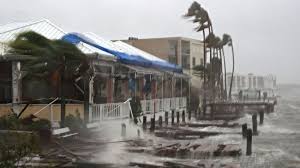
BUILDING EXTERIORS
While siding, stucco, and brick are durable exterior finishes, they are susceptible to considerable storm damage. Often, property owners don’t notice the damage until it’s too late to file a claim. It is important to have a property inspected thoroughly after a severe storm event.
Siding
- Vinyl Siding: It can be broken, cracked, or sections of it can be blown off in a storm, as determined by a hurricane damage inspection. It’s important to report any damage that might have existed before a storm. Non-storm damage can include siding that is bowing out or appears pushed together, indicating that it was nailed onto the wall too tightly. If part of the siding is melted, that can be an indication that a BBQ grill was too close to the wall. There might have been a grass fire or leaves being burned too close to the building. When this type of non-storm damage is acknowledged, it builds credibility and trust between the property owner, the contractor, and the insurer. And when the siding is fully replaced, the property owner gets the added benefit of having pre-storm problems cleaned up, too.
- Metal Siding: Wind and hail can dent, crease, and tear apart metal siding. In addition, the wind will blow other debris like trash cans or tree limbs into the siding and cause damage. Again, in the interest of trust and credibility, we also emphasize that dents and other damage to metal siding occur over time. Any damage that occurred before a storm hit should also be reported after hurricane damage inspections by a P.E.
- EFIS or Synthetic Stucco: Storms can crack, chip, and dent exterior EFIS and stucco applications. This damage is often noticeable because an area of the wall will feel soft or be dented. There might also be an area that has numerous small cracks radiating in a pattern similar to a spider web. This evidence of damage means that the foam backing behind the exterior EFIS or stucco coat will have to be removed and replaced. It’s more than a simple patch-up job.
- Wood, Cedar, T11: Exterior wood finishes can crack, and paint can be stripped off by storms. In more severe events, entire wall sections might be pulled apart. In many restoration projects, the area can be cleaned, scraped, pressure-washed, and painted, with only minimal repairs to the wood. More severe damage requires replacement. This includes damage to cedar shakes and lap siding, where the thin edges are particularly susceptible to damage, and the wood will need to be replaced. These are all observations and recommendations that the hurricane damage inspection engineers EMA will include in the hurricane damage inspection report & notes.
WINDOWS AND SCREENS
While each type of window can have unique damage, the following should be checked:
- Each window for paint loss, cracks, holes, dents, and broken glass. In thermal windows, check for fogging between the panes.
- Each screen should be inspected for dents and cracks in the frame, and expanded fibers, holes, and tears in the screening material.
- Each window should also be checked to ensure they are properly caulked and counter-flashed
Related Services by EMA Structural Engineers
- Milestone Inspections Florida
- Structural Engineering Services
- Forensic Engineering Services
- Balcony Inspections Florida
- Hurricane Damage Inspections
- Structural Engineers Tampa
- Structural Engineers Daytona
- Structural Engineers Melbourne
- Clearwater Structural Engineers
- Building Structural Inspections
- Bridge Inspection Services Florida
- Condo Milestone Inspections Jacksonville
- Central Florida Milestone Inspections
- Balcony Inspections Orlando
- Balcony Inspections Daytona
- Forensic Engineers Orlando
- Structural Forensic Engineers
- Building Engineers Florida
- Daytona Beach Structural Engineers
- Submit Assignment / Request a Quote